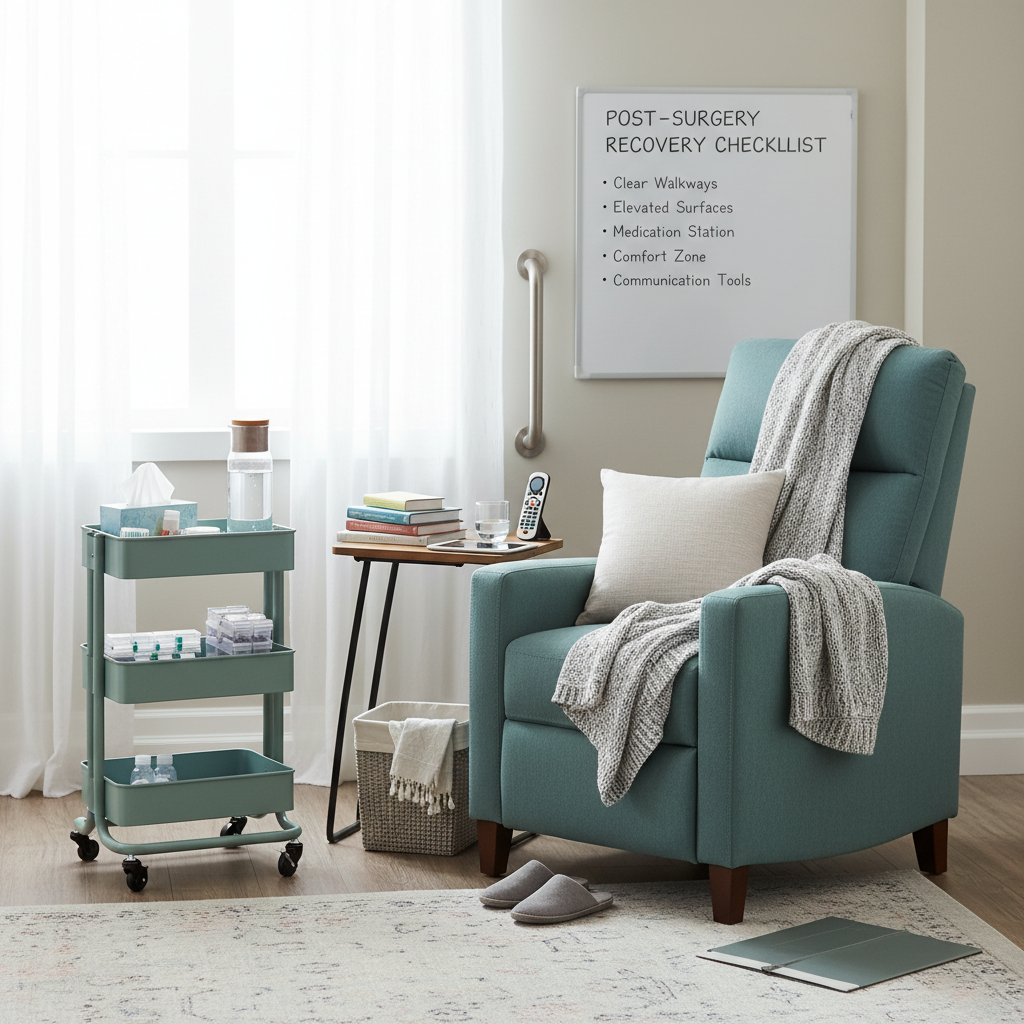
Preparing Your Home for Post-Surgery Recovery: A Comprehensive Checklist
Top 15 Items on Your Surgical Recovery Checklist: Preparing Your Home for Post-Surgery Recovery
This guide is for patients, caregivers, and family members who need a clear, practical plan for home preparation for surgery — especially if you're worried about mobility, medication mistakes, or nighttime trips to the bathroom. Learn more about clear, practical plan. You want to heal without stress, re-injury, or endless back-and-forth to the ER. Our team helps families convert homes into safe, comfortable recovery spaces (we do this for hundreds of patients every year), and this checklist walks you through every step so you can focus on healing, not logistics. Learn more about focus on healing.
1. Pick the Primary Recovery Room — create a true recovery room at home
Choose one main room and make it the recovery hub. Why? Because confusion wastes energy and increases fall risk. Learn more about recovery room at home.
- Prefer the ground-floor bedroom, or a room on the same floor as the bathroom (avoid stairs if at all possible).
- Clear at least 3 feet of space around the bed for a walker or caregiver access.
- Set up a small table within arm's reach for meds, phone, water, and eyeglasses.
2. Optimize the bed and bedding
Comfort matters. Pain makes sleep impossible, and poor sleep slows healing. So invest a bit of time here.
- Use a firm mattress or add a topper recommended by your care team (not too soft).
- Raise the head of the bed slightly with wedge pillows if recommended — helps breathing and reflux.
- Keep 3 sets of easy-change bedding nearby, and waterproof pads for the first 5 days if drain or wound leakage is possible.
3. Bathroom safety — avoid slips and falls
Bathroom trips are the number one fall risk after many surgeries. Fix this first.
- Install a raised toilet seat and grab bars near the toilet and in the shower.
- Add a non-slip mat inside and outside the shower, and use a shower chair for 87% of mobility-limited patients I’ve helped.
- Move toiletries to waist-height shelves so reaching isn't needed.
4. Mobility aids and assistive devices
Don't guess. Get the aids you were prescribed before you need them (therapy delays suck).
- Have the cane, walker, crutches, or knee scooter ready on day one. Practice using them once — with someone spotting you.
- Install nightlights along common routes to the bathroom (motion sensor lights are great) so you don't fumble in the dark.
- Consider a reacher/grabber for picking up dropped items without bending.
5. Medication management — make an easy med station
Medication mistakes cause readmissions. So make a single, obvious place for pills and instructions.
- Set up a pill organizer labeled by day and time for the first 14 days (or as long as the prescription lasts).
- Place printed instructions from the surgeon and pharmacy next to the meds, plus emergency contact numbers.
- Use alarms on the phone or a simple pill-dispensing device to avoid missed doses.
6. Meal plan and kitchen prep
You're not going to want to cook on Day 2. Plan simple, nourishing meals and easy access to snacks and fluids.
- Stock up on protein-rich, ready-to-heat meals (soup, rotisserie chicken, Greek yogurt).
- Pre-chop fresh fruit or buy single-serve options; hydrate with bottled water or a pitcher with labeled times.
- Place frequently used items on lower shelves to avoid bending.
7. Communication and emergency plan
Set clear ways to call for help, and rehearse the plan once. You don’t want confusion mid-emergency.
- Program 3 numbers into the patient’s phone: surgeon, primary caregiver, local emergency contact.
- Place a printed copy of meds, allergies, and surgery type on the fridge (EMS will thank you).
- Decide who will check in at specific times each day — texting once every 4 hours is enough for many surgeries.
8. Wound care supplies and a clean work surface
Keep everything you need for dressing changes in one clean bin. Saves time, reduces infection risk.
- Include gloves, sterile gauze, tape, saline, and disposal bags for soiled dressings.
- Label the kit with the surgery date and dressing change frequency.
- Use a vinyl tablecloth or tray for a clean surface; replace it after each change.
9. Manage pain and sleep hygiene
Pain control helps you move, and movement speeds recovery. So make sleep and pain management easy.
- Keep a pain scale chart (0 to 10) where both patient and caregiver can mark it — it's an objective record for calls to the surgeon.
- Have sleep masks, earplugs, and a small white-noise machine to help rest.
- Follow opioid safety: store them locked and count remaining pills each day (documented counts cut mistakes).
10. Mobility-friendly clothing and footwear
Loose, easy clothing reduces strain. Shoes with good heel support reduce falls.
- Lay out 5 easy outfits: pants with elastic waistbands, button-front shirts for chest surgeries, slip-on shoes with non-slip soles.
- Avoid socks on slick floors; use non-slip socks if shoes aren’t feasible indoors.
11. Temperature, lighting, and comfort controls
Small comforts make a huge difference. Hot flashes, chills, or poor lighting all interrupt recovery.
- Set thermostat to a comfortable range and keep extra blankets within arm's reach.
- Install dimmable bedside lamps so you avoid bright overhead lights at night.
- Keep a fan or small heater nearby if you expect temperature swings (surgery rooms can make you sweat for days).
12. Paperwork and follow-up supplies
Keep essential documents in one folder so appointments and insurance calls go smoothly.
- Assemble discharge instructions, medication list, insurance info, and transport arrangements in a labeled folder.
- Have a calendar with follow-up dates and therapy sessions posted on the fridge.
13. Limit visitors and set clear rules
Visits are well-meaning, but too many people early on can stress the patient and raise infection risk.
- Set visiting hours and a cap on visitors for the first 72 hours.
- Ask visitors to wash hands and avoid kissing wounds or bringing raw foods.
- Encourage short, purposeful visits — 20 to 30 minutes is usually enough for most people.
14. Pet and child planning
Pets and young kids increase fall and infection risk. Plan caregiving ahead.
- Arrangewithsomeonefor dog walks, litter box changes, or childcare for the first 7 days if your mobility is limited.
- If pets must be home, use baby gates or separate spaces so they can’t jump on the patient.
15. Mental health and entertainment setup
Recovery is boring and sometimes isolating. Plan for mood and cognition support.
- Queue up 5 movies, 10 playlists, and 3 audiobooks in advance (streaming queues save time).
- Have a simple list of low-effort activities: puzzles, voice calls with friends, short guided meditations.
- Schedule one 15-minute “check-in chat” each day with a friend or family member — social contact speeds recovery.
How do I prepare my home for surgery? (step-by-step)
Start 7 to 10 days before surgery if you can. That gives you time to buy supplies, set up the room, and practice with mobility aids. Here's a simple timeline to follow — it's practical, not perfect, and honestly it reduces last-minute panic.
- Day 7: Confirm transportation from hospital to home, order mobility aids, and buy wound and medication supplies.
- Day 5: Move frequently used items to reachable levels, set up the recovery room, and clear walkways.
- Day 2: Pack the med station, prepare 3 days of meals, and check in with caregivers about schedules.
- Day 0 (surgery day): Leave the recovery room uncluttered and have 2 people who know the emergency plan on call.
What should a recovery room at home have?
A recovery room at home should be simple, safe, and stocked. Think of it as a small clinic focused on comfort and risk reduction. Here's a quick checklist you can tape to the door:
- Bed, firm mattress, wedge pillow
- Nightstand with meds, phone, water, and flashlight
- Motion-sensor nightlight and phone charger within reach
- Wound care kit, trash bags, and clean towels
- Emergency contact sheet and printed discharge instructions
How long should you plan for post-surgery recovery at home?
It depends on the procedure. But plan conservatively: at least 72 hours of close supervision for many outpatient surgeries, and 1 to 4 weeks for more invasive procedures. For major operations like joint replacement, plan on 6 weeks of progressively increasing activity (and therapy). The surgeon will give specific timelines — but it's smart to over-prepare, not under-prepare.
Safety tips caregivers often miss
I've seen caregivers do everything right except one simple thing that leads to trouble: forgetting to check the patient's pain at regular intervals. So here are three practical, easy-to-forget tips.
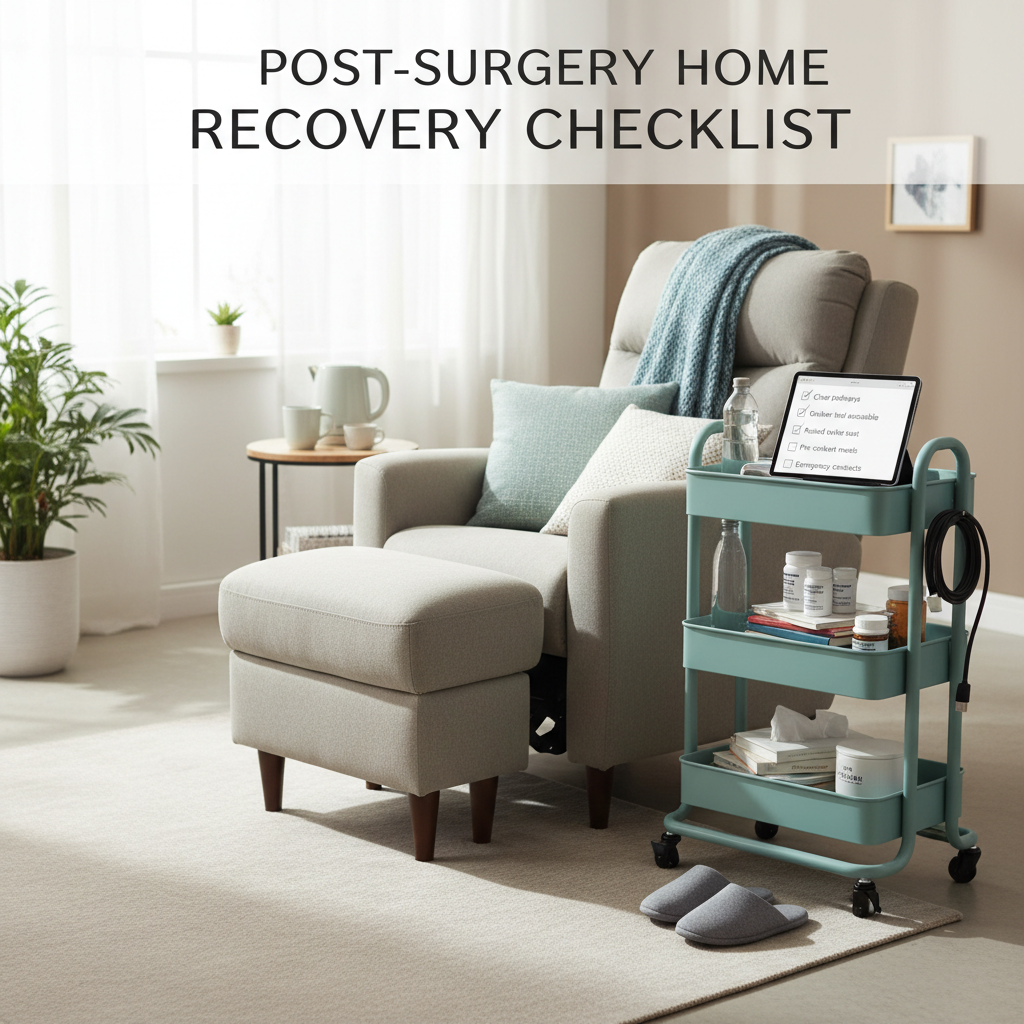
- Mark medication times on a visible clock, and log doses as given — don't rely on memory.
- Test the home route from bed to bathroom once with the patient using their mobility aid (practice prevents falls).
- Rotate caregivers every 6 to 8 hours if possible; fatigue increases mistakes.
Frequently Asked Questions
Will I need home healthcare after surgery?
Maybe. It depends on your procedure, mobility, and medical needs. Some patients need a nurse for wound checks, IV meds, or physical therapy at home for the first 1 to 2 weeks. Ask your surgeon before discharge; if it feels overwhelming, our team can arrange vetted home health professionals to start within 24 to 48 hours.
How do I prevent infections at home?
Clean technique matters. Always wash hands before touching wounds, use sterile supplies for dressing changes, and keep pets and visitors away from the wound for the first 72 hours. Do a daily wound check and call your surgeon for redness, increased drainage, or fever over 100.4 F.
What if I live alone?
You need a plan. Arrange for a friend or neighbor to check in twice daily for the first 72 hours, or hire a home aide for days 1 to 3. Consider a medical alert device with fall detection if you’ll be alone at night.
How soon can I shower after surgery?
That varies. Many surgeons allow sponge baths for the first 24 to 72 hours and full showers after 48 to 72 hours if the incision is covered and dry. Always follow your specific discharge instructions. If you’re unsure, keep the area dry and call your clinic.
Can I drive after surgery?
Not usually for 24 to 72 hours after anesthesia, and longer if you're taking narcotic pain meds. The safest approach is to arrange rides for the first 1 to 2 weeks or until the surgeon clears you.
Look — preparing your home doesn't have to be overwhelming. Start with the basics: a safe recovery room, meds organized, and a practiced emergency plan. The small things matter a lot (lighting, a single place for med instructions, a motion light in the hallway).
If this feels overwhelming, our team can help coordinate the setup — from ordering mobility aids to arranging home nursing visits and setting up a recovery-room checklist specifically for your surgery. We handle the logistics so you can focus on healing. Reach out and we'll make a practical, step-by-step plan tailored to your procedure and home layout.