Preparing Your Body for Surgery: A Comprehensive Pre-Operative Guide
Preparing Your Body for Surgery: A Comprehensive Pre-Operative Guide
If you’re a patient scheduled for surgery (or a caregiver steering the ship), you’re likely juggling conflicting instructions, fear of complications, and 2 a.m. “Can I drink water?” panic. You want surgical readiness dialed in—what to eat, what to stop, how to lower risks—without guesswork. That’s exactly where our perioperative team shines: we turn vague pre-operative care into a clear, step-by-step plan, coordinate with your surgeon and primary care, and handle the details so you can focus on healing, not hunting for answers across 17 tabs. Learn more about informed decision-making. Learn more about pre-operative care.
What does pre-operative care include?
Pre-operative care is the structured set of steps that prepare your body and mind for surgery so you recover faster and safer. Learn more about recover faster. Think of it like training for a marathon—except the “race” is your procedure, and the payoff is fewer complications, shorter hospital stays, less pain, and better outcomes. Learn more about better outcomes.
- Medical optimization: blood pressure, blood sugar, anemia, sleep apnea
- Medication management: which meds to continue, adjust, or stop
- Nutrition and hydration: protein targets, carbohydrate loading (procedure-specific). Learn more about Nutrition and hydration.
- Smoking/alcohol cessation: reduce lung issues and infections
- Infection prevention: skin cleansing, nasal decolonization if needed
- Activity: safe movement, breathing exercises, “prehab” if appropriate
- Mindset: anxiety tools, sleep, clear expectations
- Logistics: fasting timing, rides, home setup, what to bring. Learn more about home setup.
Key goals of surgical readiness
Reduce risk, improve resilience, and speed recovery. In my experience, the biggest needle-movers: stop smoking, hit a realistic protein goal, manage diabetes meds smartly, and take infection prevention seriously—no cutting corners.
Who coordinates pre-surgery health?
Usually a combo: your surgeon, an anesthesia/pre-op clinic, your primary care, and sometimes a specialist (cardiology, endocrinology). If this feels like herding cats, our team coordinates and documents it all—no surprises on surgery day.
How far in advance should I start surgery preparation?
Start early. You’ll get the most benefit if you begin focused prep at least 30 days before your procedure, but even 7 days of structured effort helps.
- 30 days before: stop smoking, reduce alcohol, target protein, start walking, optimize blood pressure and blood sugar
- 14 days before: finalize medication plan, confirm labs/EKG, prehab exercises, iron if anemic (per your doctor)
- 7 days before: hold bleeding-risk supplements, start skin prep (if advised), confirm rides and caregiver support
- 3 days before: stop SGLT2 diabetes meds (details below), tighten sleep and hydration
- 1 day before: follow surgeon’s diet/fasting plan, pack your bag, CHG shower
- Morning of: meds as directed with sips of water, clean skin, arrive early
What should I eat before surgery for faster recovery?
Food is pre-surgery medicine. And it’s one lever you control.
- Protein: aim for 1.5 grams per kilogram of body weight daily for 7–14 days pre-op. Example: 80 kg person → 120 grams protein/day.
- Carbohydrates: include carbs with meals to keep energy up and prevent muscle breakdown (whole grains, fruit, potatoes, rice).
- Healthy fats: olive oil, avocado, nuts—support hormone balance and satiety.
- Hydration: target pale-yellow urine; add electrolytes if you’re sweating or it’s hot out.
- Limit alcohol: zero is best for 7 days pre-op. Real talk: it reduces anesthesia risks and bleeding.
About “carb loading”: Many ERAS (Enhanced Recovery After Surgery) pathways allow a clear, carbohydrate drink up to 2 hours before anesthesia for elective cases. Ask your anesthesia team; if approved, it can reduce nausea and insulin spikes. Don’t do this unless your team says yes.
Which medications and supplements should be stopped before surgery?
This is where people get tripped up. Bring an updated list to your pre-op visit—name, dose, and exactly how you take it.
- Blood thinners/antiplatelets: warfarin, apixaban, rivaroxaban, dabigatran, clopidogrel, prasugrel—timing is case-specific. Never stop without explicit surgeon/cardiology guidance.
- NSAIDs: ibuprofen, naproxen—often stopped 2–3 days prior. Aspirin depends on reason (cardiac vs pain)—follow your plan.
- Diabetes meds:
- SGLT2 inhibitors (empagliflozin, canagliflozin, dapagliflozin): stop 3 days before surgery to reduce ketoacidosis risk.
- Metformin: usually taken until the night before; held morning of. Your plan may differ with kidney issues or contrast imaging.
- Insulin: basal insulin often continued at a reduced dose the night before and morning of; rapid-acting usually held while fasting—get a written plan.
- GLP‑1 agonists (semaglutide, tirzepatide, liraglutide): many centers now continue these unless you have significant GI symptoms or high aspiration risk; some still hold the dose before surgery. Ask anesthesia for a call-it-once plan.
- Blood pressure meds: usually continue beta-blockers. ACE inhibitors/ARBs may be held the morning of—confirm with anesthesia.
- Psych meds: SSRIs/SNRIs typically continued. MAOIs and lithium need individualized plans.
- Steroids: don’t stop abruptly; you may need a perioperative “stress dose.”
- Supplements that increase bleeding: stop 7 days prior unless your clinician says otherwise—fish oil, vitamin E, garlic, ginkgo, ginseng, turmeric/curcumin, St. John’s wort, saw palmetto.
Why the fuss? Because small pill changes can swing bleeding, blood pressure, and blood sugar during anesthesia. If you’re unsure, we’ll sort it and send your surgeon and pharmacy the final plan—no mixed messages.
How do I reduce anesthesia and surgical risks?
Big gains come from simple, consistent habits—done early.
- Stop nicotine now: cigarettes, vaping, patches. Even 14 days smoke-free improves oxygenation. Four weeks is better. Your lungs will thank you.
- Alcohol: 7 alcohol-free days pre-op lowers anesthesia and wound risks.
- Blood sugar: aim for fasting glucose under 130 mg/dL and A1c near 7.5 (your doc sets the target). Stable beats perfect.
- Blood pressure: home readings under 140/90 most days is a solid destination—bring your log.
- Sleep apnea: bring your CPAP and use it nightly the week before; tell anesthesia your pressure settings.
- Fitness: brisk walks 30 minutes daily, gentle strength (sit-to-stands, light bands), deep-breathing exercises—build reserve without overdoing it.
- Vaccines: during cold/flu season, being up to date reduces last‑minute cancellations due to illness.
What can I do the week before surgery to prevent infection?
Infection prevention is a team sport—your skin plays offense.
- CHG showers: wash with chlorhexidine gluconate the night before and the morning of surgery (some surgeons start 3–5 days prior).
- Nasal decolonization: if you test positive for MRSA/MSSA, use mupirocin ointment in both nostrils twice daily for 5 days.
- No shaving near the surgical site for 48 hours pre-op—tiny cuts invite bacteria. If hair removal is needed, the hospital will clip it.
- Skin care: skip lotions, oils, and deodorants on surgery day unless told otherwise.
- Dental check (joint or heart valve cases): fix active infections beforehand.
What happens at the pre-op appointment?
It’s your “pre-flight check.” And yes, you’ll leave with a game plan.
- Medical review: history, allergies, prior anesthesia reactions
- Exam + tests: vitals, airway exam, labs, ECG, imaging if needed
- Medication reconciliation: exact instructions on continue/hold/adjust
- Fasting and drink plan: clear timelines for food and liquids
- Consent: risks, benefits, alternatives—ask every question on your list
- Logistics: arrival time, what to bring, who’s your post-op ride
I’ve noticed patients do best when they bring their meds in a bag or a clear photo list—names and doses. Saves 20 minutes and avoids errors.
Can I drink water or coffee before surgery?
Most healthy adults having elective surgery can follow this evidence-based fasting plan unless your team says otherwise:
- Solid foods: stop 8 hours before anesthesia (fatty/fried foods need that full time).
- Light meal (toast/fruit): finish 6 hours before.
- Breast milk: 4 hours; infant formula: 6 hours.
- Clear liquids: allowed up to 2 hours before anesthesia—water, pulp-free juice, electrolyte drinks, black coffee or tea (no milk/cream), and clear carbohydrate drinks if approved.
Why? Because an empty stomach reduces aspiration risk, but staying hydrated improves comfort and blood pressure. If your instructions differ, your facility’s policy wins. Always.
What should I do the day before—and the morning of—surgery?
Easy checklist you can screenshot.
The day before
- Confirm arrival time, address, and parking (traffic and construction can be wild).
- Follow your eating/drinking plan exactly.
- Pack: ID, insurance card, medication list, CPAP (if you use one), glasses case, phone charger, loose front‑closing clothes, slip‑on shoes, a small comfort item (music helps).
- CHG shower; clean nails (no acrylics if they need to monitor oxygen saturation on a finger).
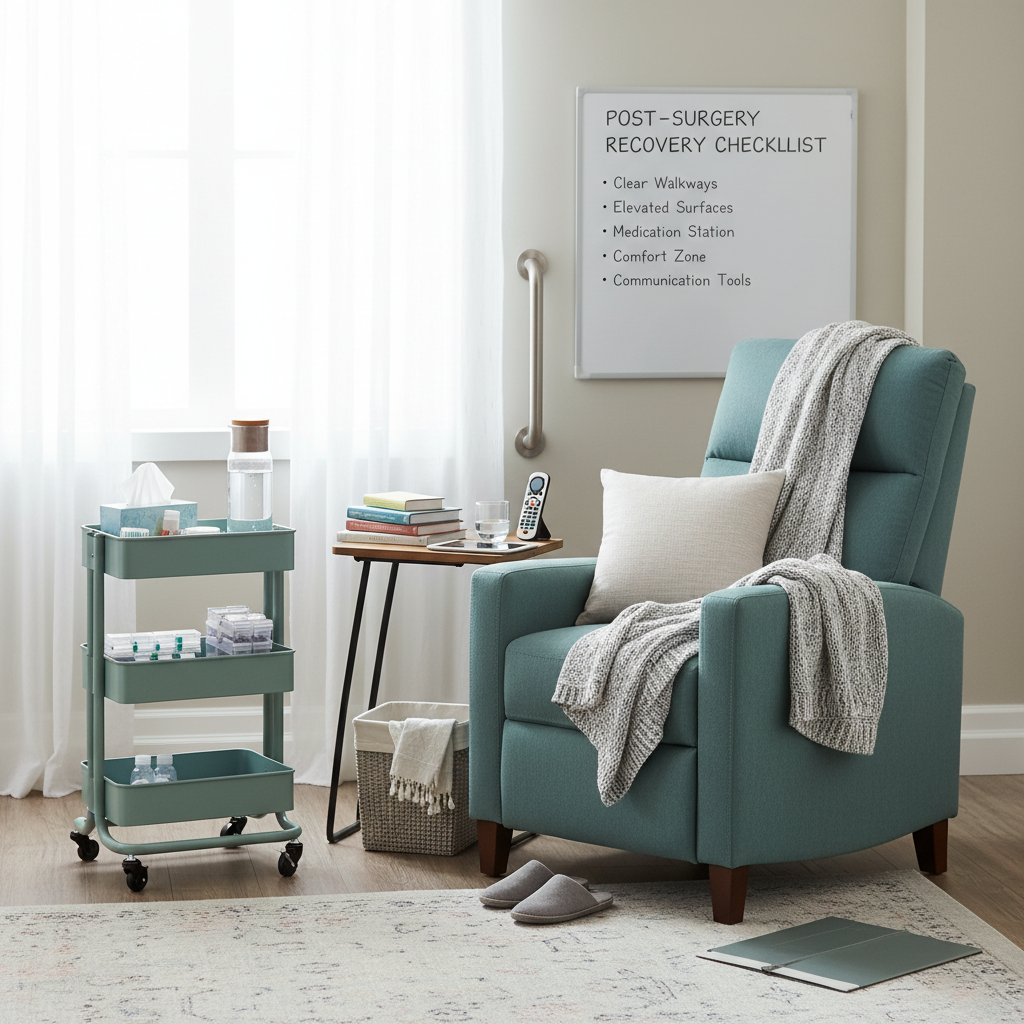
- Set up home: pillows, freezer meals, clear pathways to avoid falls, pet care.
- Sleep: aim for 7–8 hours. If nerves spike, use a guided breathing app for 10 minutes.
The morning of
- No food after the cutoff; clear liquids until 2 hours if allowed.
- Take only the meds you were instructed to take—with small sips of water.
- No lotions, perfumes, or deodorant unless told otherwise; remove jewelry and piercings.
- Wear clean, loose clothing; bring your ride’s contact info.
- Arrive early—paperwork always takes longer than you think.
How do I manage anxiety and sleep before surgery?
Totally normal to feel nervous. Even surgeons get jittery before their own procedures—true story.
- Control the controllables: checklist done? ride arranged? meds settled? Anxiety drops when boxes are ticked.
- Breathing: 4‑7‑8 or box breathing for 2 minutes lowers heart rate fast.
- Guided imagery/music: pack playlists. It’s not fluff—it changes pain perception.
- Sleep: consistent bedtime, cool dark room, no new supplements. If sleep meds are part of your routine, confirm use with anesthesia.
- Ask for a pre-op call: a 10‑minute conversation with anesthesia often settles 90% of worries.
Who should consider a formal pre-surgery optimization program?
If you’ve got diabetes, sleep apnea, obesity, anemia, heart/lung conditions, or you’re having major orthopedic, abdominal, or cardiac procedures—structured support pays off. We build a personalized pre-op plan, coordinate specialists, tune medications, and guide you through ERAS best practices. If this feels overwhelming, our team can handle it for you and send your surgeon a clean, consolidated plan.
Quick answers to common pre-op questions
How much should I exercise before surgery?
Daily: 30 minutes brisk walking plus simple strength moves (sit-to-stands, light bands). Stop high-intensity workouts 24 hours before surgery to avoid dehydration and soreness.
How much protein do I need?
Aim for 1.5 grams per kilogram body weight daily. Use Greek yogurt, eggs, chicken, tofu, lentils, or a whey/plant protein shake to hit the number.
Can I take vitamins?
Yes to a basic multivitamin and vitamin D. Stop vitamin E and high-dose fish oil 7 days pre-op unless your clinician says otherwise.
Should I stop smoking if my surgery is soon?
Yes—quitting today still helps. Even 14 days improves lung function, and your wound heals better. Use patches/lozenges only if your anesthesia team approves for the morning of.
What if I get sick right before surgery?
Call your surgeon’s office. Cough, fever, or a positive test (flu/COVID) may delay to keep you safe—especially during peak winter virus season.
Red flags—call your team now
- Chest pain, shortness of breath, or new leg swelling
- Uncontrolled blood sugars (readings consistently over 250 mg/dL)
- Active skin infection near the surgery site
- Any medication confusion—don’t guess; get written instructions
Your next step
So here’s the thing about surgery prep: small daily actions compound. You don’t need perfection—you need a plan you’ll actually follow. If you want, we’ll map out your pre-operative care, coordinate with your doctors, and coach you through surgical readiness so you walk in calm and walk out set up to heal. And if you just needed a nudge—save this guide, check off the lists, and you’re already ahead.