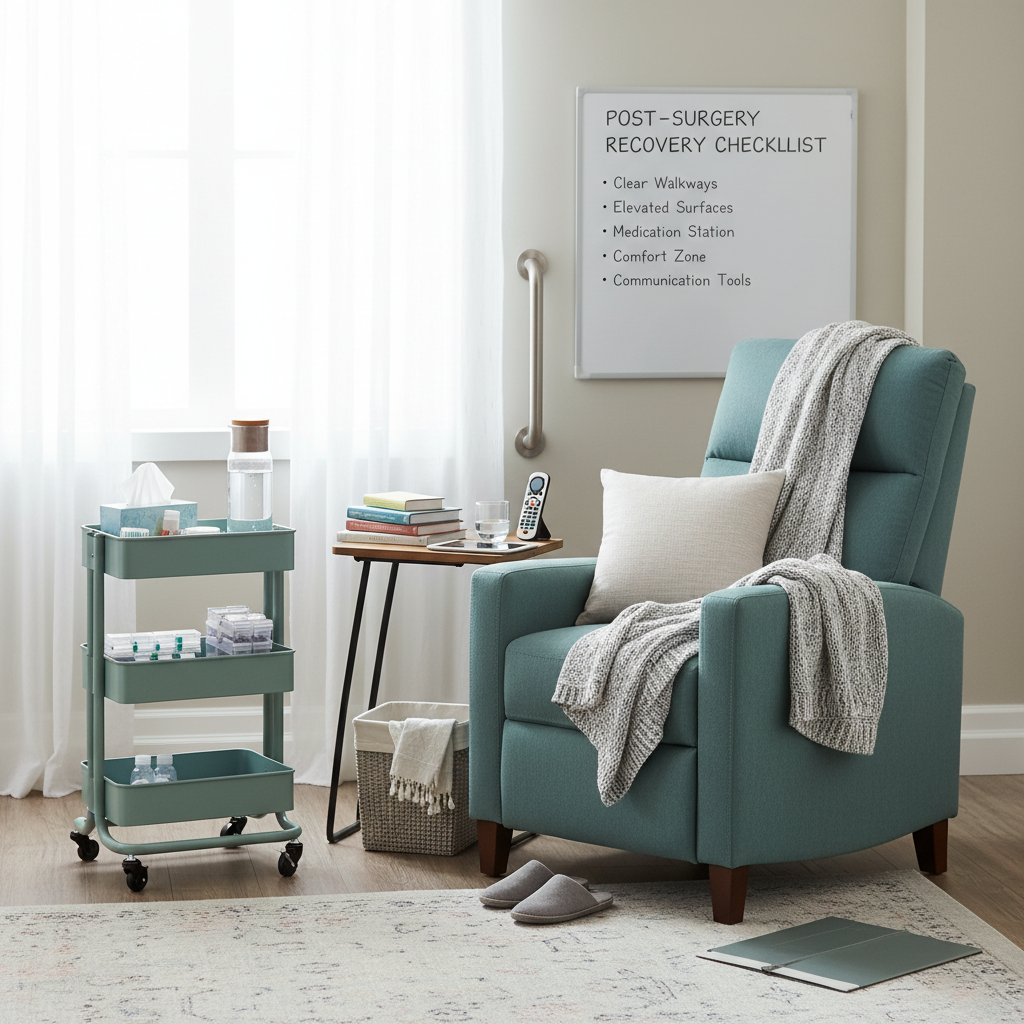
The Psychology of Pain: Mind-Body Techniques for Post-Surgical Comfort
For: patients and caregivers navigating post-surgical pain who want more relief without feeling foggy or out of control. You’re dealing with aching at night, anxiety that spikes your pain, meds that help but don’t solve everything, and the fear that “this might not get better.” How we help: our pain psychology and recovery team blends evidence-based mind-body techniques with your surgeon’s plan, so you get practical, step-by-step strategies that reduce pain, calm the nervous system, and speed recovery—without adding complexity or risk. Learn more about speed recovery.
What is the psychology of pain in post-surgical recovery?
Pain isn’t just in the incision—it’s in the alarm system. Your brain interprets signals from healing tissues and decides “threat” or “safe enough.” Stress, poor sleep, and fear crank the volume. Safety, predictability, and calm turn it down. I’ve seen patients with the same surgery report totally different pain levels because their nervous systems were primed differently. Learn more about nervous systems were primed. That’s the psychology of pain: sensation + meaning + context. Learn more about post-surgical recovery.
Good news: you can train the alarm. Mind-body techniques reduce threat signals and increase a sense of control, which—bit by bit—lowers pain intensity and suffering.
Do mind-body techniques actually reduce post-surgical pain?
Yes. Multiple randomized trials show that breathing, guided imagery, mindfulness, and relaxation lower pain scores, reduce anxiety, improve sleep, and can decrease opioid use during recovery. Why? Because these tools dampen sympathetic arousal (fight-or-flight), change pain appraisal (“I’m damaged” → “I’m healing”), and improve adherence to your rehab plan. No magic. Just physiology, practiced consistently.
Which mind-body techniques help after surgery?
Calm the alarm: 3-minute breathing reset
Use this before pain spikes, before meds, and before sleep.
- Sit supported. One hand on chest, one on belly.
- Inhale through nose for 4, hold 2, exhale through mouth for 6. Do 12 cycles (about 3 minutes).
- Whisper on exhale: “Safe enough.” (Yes, the words matter.)
- Repeat every 2–3 hours while awake on day 1–7 post-surgery.
Why? Longer exhales activate your vagus nerve—your built-in anti-pain brake.
Guided imagery for comfort and healing
Close your eyes; picture a place where your body feels heavy, warm, supported (be annoyingly specific: the light, the smell, the sounds). Then imagine blood flow delivering oxygen and calm to the surgical area. 8–12 minutes is plenty. Search “hospital guided imagery audio” or use your clinic’s playlist (we share ours with patients—ask us).
Progressive Muscle Relaxation (PMR)—modified for surgery
- Start at your feet: gently tense for 5 seconds, release for 10.
- Move upward: calves, thighs, hips, hands, arms, shoulders, face.
- Skip any area near the incision. No clenching there—ever.
- 2 rounds daily for 7–14 days helps break the tension-pain loop.
Feels simple. Works because muscle tension amplifies pain signals; relaxing cuts the noise.
Mindfulness: the 60-second check-in
- Notice 5 sensations (pressure, warmth, itch, pulsing, fabric on skin).
- Name the emotion once: “Worried.” Then add “and I can breathe.”
- Anchor to 10 slow breaths. That’s it.
Pain is inevitable; suffering is optional (I know, cliché—but true). This trains non-reactivity.
Pain re-framing and self-talk that doesn’t feel fake
- Swap “This is bad” for “This is intense, and temporary.”
- Use scoreboard language: “Pain 7, me 6—let’s tie it with 3 breaths.”
- Write one line in a notebook nightly: “Evidence I’m healing: ____.”
Why? Because your appraisal guides your physiology. Real talk: your brain listens to you.
Pacing and graded exposure for faster, safer recovery
- Time-based, not pain-based: set activity blocks (8–12 minutes), stop while you still feel okay.
- Use the 10% rule: increase total daily activity by about 10% every 48 hours if your pain returns to baseline within 60 minutes.
- Cycle: Activity → Soothe (breathing + ice/heat if approved) → Review (what worked?).
Overdoing flares pain. Underdoing stiffens you. Pacing threads the needle.
How soon after surgery can I start these?
Breathing and mindfulness: day 0–1 (as soon as you’re alert). Guided imagery and PMR: day 1–3. Pacing: as cleared by your surgeon or PT. If you had spinal or cardiac surgery, ask for specifics—there can be unique precautions.
Does anxiety make post-surgical pain worse?
Yes—consistently. Anxiety heightens attention to pain, tightens muscles, disrupts sleep, and keeps the nervous system “red-lined.” I’ve noticed that even a 15-minute planning session (pill timing, walk schedule, sleep routine) lowers anxiety and the next-day pain. Structure is medicine.
Why does post-surgical pain feel worse at night?
Two reasons: fewer distractions and normal hormonal dips. Inactivity means more stiffness; clock-watching turns into threat monitoring. If it’s winter, the extra dark hours don’t help either—nights feel longer, aches feel louder.
- Front-load comfort: breathing + PMR + meds as prescribed 30–45 minutes before bed.
- Positioning: pillows to support joints above and below the surgical site.
- Wind-down: dim lights 60 minutes before sleep; screen off (blue light messes with melatonin).
- Use audio: guided imagery or calm music at low volume.
How to combine mind-body techniques with medications safely
- Follow your surgeon’s pain management plan exactly; mind-body techniques are “and,” not “instead of.”
- Pair techniques with dosing: 3-minute breathing before taking meds, imagery as they kick in.
- Don’t stack sedatives (alcohol, sleep meds) without approval—safety first.
- Use non-drug supports if cleared: ice/heat, elevation, compression, gentle mobility.
- Track what works: a simple log—pain score, activity, technique used, sleep quality—guides adjustments.
Red flags: contact your surgical team urgently if…
- Fever 38.6°C (101.5°F) or higher, spreading redness, foul-smelling drainage.
- Severe, escalating pain not helped by prescribed meds.
- New numbness, weakness, or loss of function.
- Chest pain, shortness of breath, one-sided calf swelling or warmth.
- Severe headache after spinal/epidural anesthesia, confusion, or inability to keep fluids/meds down.
Mind-body techniques are powerful, but they don’t replace medical evaluation for complications.

A simple daily plan for post-surgical pain management
- Morning: 3-minute breathing reset, short walk if cleared, pain plan check (timers on your phone).
- Midday: pacing block (8–12 minutes), PMR round, hydration + protein (muscles heal better).
- Afternoon: guided imagery (10 minutes), log your progress, adjust tomorrow’s activity by 10% if stable.
- Evening: breathing + meds as prescribed, pillow positioning, audio for sleep, lights out at a consistent time (consistency beats perfection).
Small, boring wins—stacked daily—beat heroics. Every time.
FAQs people ask us
Can I manage post-surgical pain without opioids?
Often, yes—with surgeon-approved non-opioid meds, regional anesthesia, and mind-body techniques. Some surgeries still need short-term opioids. The goal: enough relief to move, sleep, and heal safely.
How long will post-surgical pain last?
Highly individual. Many patients see steady improvement across 2–6 weeks. If pain plateaus or worsens after an initial improvement, loop in your team.
Does music therapy help after surgery?
Yes—soft, slow-tempo music lowers pain and anxiety for a lot of patients. Think movie scores, ambient, or acoustic. Keep it gentle.
Need support dialing this in?
If this feels overwhelming, our team can handle it for you—building a personalized pain management plan, teaching mind-body techniques in short sessions, and coordinating with your surgeon or PT so nothing slips through the cracks. We’ve helped hundreds of patients recover more comfortably and with more confidence. Reach out, and let’s get you healing on a plan that actually fits your life… not the other way around.