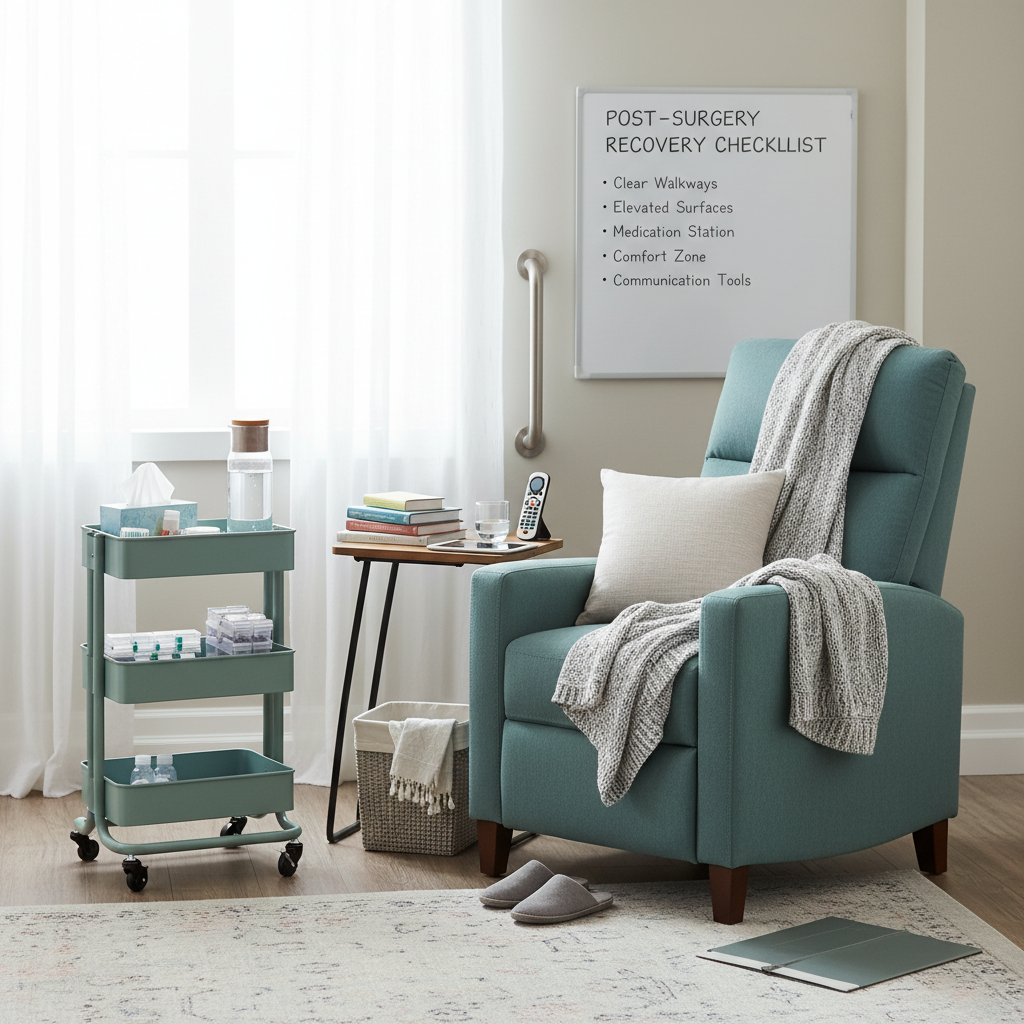
The Benefits of Early Mobilization After Surgery: A Guide to Faster Recovery
For: anyone facing surgery soon (or freshly post-op) who wants a faster recovery without risking setbacks. Learn more about faster recovery. Learn more about facing surgery soon. Learn more about facing surgery soon. Pain points: you’re worried about blood clots, stiffness, “losing progress” by resting too much, and you’re not sure how soon to get moving—or what movements are actually safe. Learn more about faster recovery. How we help: our surgical rehabilitation team builds step-by-step early mobilization plans that sync with your surgeon’s protocol, coach you through the first critical 72 hours, and keep you progressing—safely—so you can get back to normal life without guesswork.
What is early mobilization after surgery?
Early mobilization means getting safely upright and moving shortly after surgery—often within 24 hours—using a specific, guided plan. It’s not running laps. It’s targeted activity: sitting up, standing with assistance, short hallway walks, breathing exercises, and gentle range-of-motion drills that match your procedure and pain level.
Why? Because movement wakes up systems that go “offline” during anesthesia and bed rest. Circulation improves. Lungs open. Gut motility restarts. Joints don’t lock up. And, as I’ve seen across hundreds of recoveries, confidence returns faster when people experience early “wins” like their first walk to the bathroom or to the nurse’s station.
Why early mobilization speeds up post-surgery recovery
Look, bed rest sounds cozy after anesthesia, but your body pays for it. Early mobilization works like a multi-tool for healing—one action, many benefits. Learn more about speeds up post-surgery recovery. Learn more about post-surgery recovery.
- Lower risk of blood clots (DVT) and pneumonia: Moving your legs and doing deep breathing keeps blood and air moving. That’s your built-in defense against two of the biggest post-op complications.
- Less stiffness and better range of motion: Joints hate immobility. Gentle movement reduces adhesions and scar tightness before they become a problem.
- Better pain control: Counterintuitive, but true. Light activity increases circulation and endorphins—pain usually becomes more manageable by day 2–3 with the right plan.
- Faster return of gut function: Getting upright signals your GI system to wake up. Fewer “ileus” issues. Less nausea.
- Improved mood and sleep: That first walk (even 2 minutes) changes the whole tone of recovery. You feel capable again—and that matters.
- Shorter hospital stays: Enhanced Recovery After Surgery (ERAS) pathways that prioritize early mobilization consistently discharge patients sooner.
Real talk: the body is built to move. Even small, smart movements after surgery help you heal cleaner and quicker.
When should you start getting active after surgery?
Short answer: usually within 24 hours—if your surgeon or nurse gives the green light. Some procedures start sooner (same-day joint replacements often stand within a few hours). Others need a slower ramp.
Ask this before your operation so there’s no confusion later: “On post-op day 0 and day 1, what’s my mobility plan?” Write it down. Tape it to your tray table.
And yes, there are exceptions. Spinal fusions, specific abdominal repairs, and surgeries with strict weight-bearing limits may follow a different pace. Safety wins.
Is early mobilization safe after surgery?
For most patients—yes, with supervision and the right precautions. Your team will watch for dizziness, low blood pressure, too-rapid heart rate, oxygen drops, incision drainage, and pain spikes. That’s why the first stand or walk is often with a nurse or physical therapist.
Delays or modifications are common if you have:
- Uncontrolled pain or heavy sedation
- Active bleeding or unstable vitals
- Strict surgical restrictions (e.g., brace locked, spine precautions)
- Neurological changes, fainting, or chest pain
So the rule is simple: cleared by your team, then go—and go wisely.
What does early mobilization actually look like?
People imagine a boot camp. It’s not. Think micro-sessions sprinkled through the day. Here’s a practical framework I use a lot.
Phase 1: The first 24 hours (once cleared)
- Breathing drills: 10 deep breaths every hour with an incentive spirometer (or slow belly breaths) to keep lungs open.
- Ankle pumps: 20 pumps each hour to push blood back to the heart.
- Sit up: Spend at least 2 sessions upright in a chair for 20 minutes each, supported.
- First walk: 1–2 assisted hallway laps or room-to-door walks. Short, steady, safe.
Phase 2: Days 2–3
- Walks: 4 short walks spread through the day (yes, four). Use a walker or cane if issued.
- Gentle mobility: Surgeon-approved range-of-motion for the non-operative joints (neck, shoulders, ankles) and the operative area if allowed.
- Breathing + cough support: Keep the lungs honest. Hug a pillow when coughing to protect the incision.
- Sit more, lie less: Aim to be out of bed for meals.
Phase 3: Days 4–7
- Increase distance: Add time to each walk; one “anchor” walk that feels like a legit effort daily.
- Light functional tasks: Bathroom independence, gentle stairs if cleared, easy household puttering.
- Begin basic strength: Isometrics, glute sets, quad sets, core engagement—approved by your team.
So here’s the thing about progress—it’s rarely linear. You’ll have a strong day, then a weird wobbly one. That’s normal. Keep the cadence; adjust the effort.
A simple day-by-day plan for faster recovery
I like simple because you’ll actually do it. Try this template if your surgeon agrees.
- Morning: Pain meds as prescribed → 20 minutes later, walk 5–7 minutes → breathing drill (10 breaths) → ankle pumps (20).
- Midday: Walk 7–10 minutes → sit in a chair for lunch → gentle mobility (5 minutes).
- Afternoon: Short walk → elevate and ice if recommended → hydration check (a whole glass).
- Evening: Walk again → bedtime breathing drills → set clothes and shoes for the morning so you can start strong.
Use your smartwatch or phone to track steps. Not obsessively—just enough to see momentum. And if it’s football season where you are, use commercial breaks as your “movement timer.” Works like a charm.
How early mobilization prevents common post-op problems
Here’s the deal: most early complications share a root cause—too much stillness. Early mobilization tackles that head-on.
- Blood clots: Movement + compression stockings + anticoagulants (if prescribed) is your three-piece armor.
- Lung issues: Walking expands the lungs; breathing drills keep airways open. Pneumonia hates an engaged diaphragm.
- Constipation and ileus: Upright posture and gentle ambulation signal your gut to wake back up. Add water. Add fiber when cleared.
- Delirium in older adults: Orientation walks, daylight exposure, and routine reduce confusion. I’ve noticed consistent improvements when families help anchor the daily schedule.
- Excess swelling: Calf pumps, elevation, and short walks are better than endless bed rest.
Make early movement more comfortable
Comfort is strategy. You’ll move more if you’re not miserable.
- Time your walks after pain meds so you hit the window when discomfort is controlled but you’re not groggy.
- Lace-up shoes with a solid heel (slippers slip—ask me how I know).
- Grab gear: walker or cane if issued, gait belt with help, small water bottle, phone in a pocket.
- Break the day into chunks—morning wins, midday wins, evening wins. Micro-goals beat one giant goal every time.
- Use a log: jot down walks and pain levels. Seeing progress is rocket fuel.
What if you’re older or had major surgery?
Different starting line, same finish line—safe independence.

- Shorter, more frequent bouts (think 3 minutes, repeated) reduce fatigue and dizziness.
- Balance and safety first: sit-to-stand practice, wide base, hand on a stable surface. No hero moves.
- Extra hydration and protein support healing muscles—add a protein-rich snack after your “anchor” walk.
- Family involvement: one support person who knows the plan keeps momentum steady.
And if you use a smartwatch, set gentle reminders. Not 20 alarms—that’s chaos—just two or three nudges to move.
Red flags: stop and call your team
Movement should feel like effort, not danger. Hit pause and call your nurse or surgeon if you notice:
- Chest pain, severe shortness of breath, or fainting
- Unilateral calf pain, warmth, or sudden swelling
- Rapid heart rate that doesn’t settle after resting
- Incision opening, heavy drainage, or fever
- Pain that spikes and stays high despite meds and rest
Better to ask early than wish you had. Honestly, your team would rather get a “false alarm” call than miss something important.
Early mobilization by surgery type (quick notes)
- Joint replacement: standing and walking with assistance often starts the same day; structured PT follows.
- Abdominal surgery: upright posture and short walks help gut function; use a pillow to brace when coughing.
- Spine surgery: log-roll technique, brace use if prescribed, no twisting—mobility guided tightly by your surgeon and therapist.
- Cardiac surgery: sternal precautions matter; walking and breathing drills are central from day 1.
Common mistakes that slow recovery
- Waiting for “zero pain” before moving. That day doesn’t come early—controlled discomfort with safe movement is the path.
- One big walk, then couch all day. Better: several short walks.
- Skipping breathing work because it feels boring. It’s protective. Do it.
- Overdoing it on a good day and paying for it the next three. Keep it steady.
How our team supports faster, safer post-surgery recovery
If the plan feels like a lot to juggle—meds, walks, precautions—we get it. We design personalized early mobilization schedules, coach you (or your caregiver) on transfers and walking, coordinate with your surgeon, and adjust day by day. You focus on healing; we handle the roadmap.
If you’re prepping for surgery now, reach out before your procedure. Prehab sets the stage so you can hit the ground running—well, walking—on day 1.
FAQ: early mobilization and surgical rehabilitation
How soon should I start walking after surgery?
For most procedures, within 24 hours once your team gives the okay. Your first walk is brief, assisted, and followed by rest. From there, add short, frequent bouts through the day.
What exercises are safe right after surgery?
Deep breathing with an incentive spirometer, ankle pumps, gentle sit-to-stands, and surgeon-approved range-of-motion. No heavy lifting or twisting unless cleared. Keep it simple and consistent.
Does early mobilization really lead to faster recovery?
Yes. It’s a cornerstone of ERAS programs and is linked to fewer complications, better pain control, and earlier discharge. Patients who move early usually feel more confident and independent sooner.
Can early movement cause damage to my incision?
Normal, guided movement shouldn’t harm your incision. Avoid straining, brace with a pillow if you need to cough or sneeze, and follow weight-bearing or lifting limits exactly.
What if I feel dizzy or too tired to move?
Tell your nurse or therapist. They’ll check vitals, adjust pain meds, and modify your plan. Often, shorter, more frequent sessions solve the problem.